
Play
When leaned into and used skillfully, play can be used to effectively develop a myriad of skills in children and adults while fostering deeper connection. Play can equip children with tools to express themselves positively and meaningfully.
TRAINING PROGRAM
1/12/20253 min read
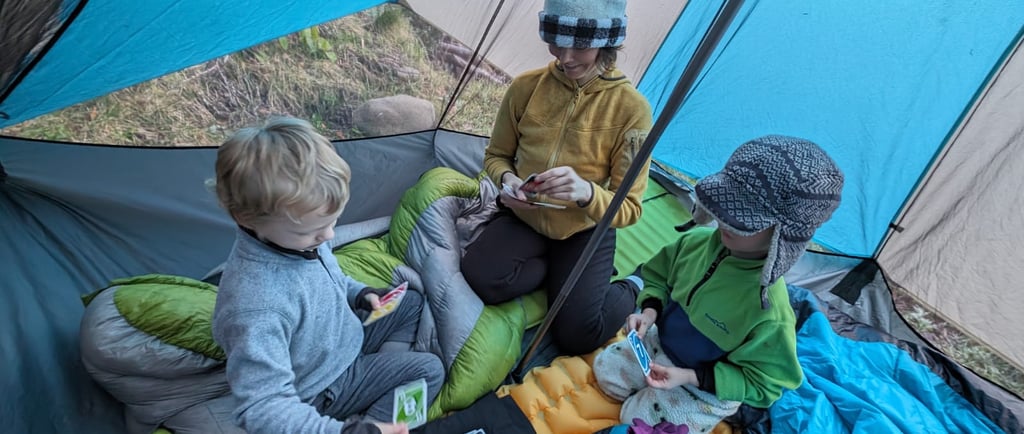
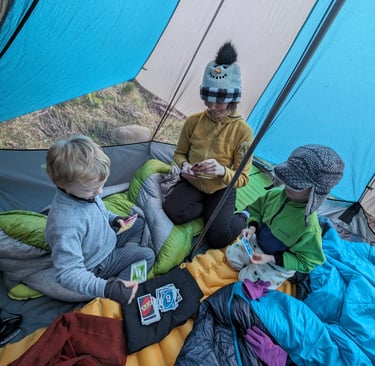
Many people acknowledge the tremendous importance of play. Children immerse themselves in play, which is essential for their development and is recognized as a fundamental right of children by respected organizations such as NAEYC and the United Nations. Play enhances children's understanding of their environment and lays the groundwork for their overall growth. Children thrive on free, unstructured play that fulfills their developmental needs. Playful activities are crucial for emotional regulation; however, caution is essential, especially if children are facing dysregulation in the present or experiencing it often in general. Play is most effective when both adults and children are grounded and feel safe. Caregivers must actively participate in play invitations to foster attachment, dedicating quality time to connect without dictating the play. This connection triggers the release of bonding hormones, significantly enhancing relationships.
The advantages of play are vast. Physical Benefits: Active play significantly improves coordination and motor skills. Emotional Benefits: Play enables children to engage with their feelings and develop skills for emotional regulation. Social Benefits: Through play, children pick up on social cues and build empathy. Cognitive Benefits: Play reduces stress and boosts memory retention. Creative Benefits: Unstructured play fosters imagination. Communication Benefits: Children enhance their communication abilities in a secure environment, which helps them manage negativity effectively.
Interestingly, many parents often struggle to engage in play due to obstacles stemming from their own childhoods, such as a lack of emotional connection. Nevertheless, these obstacles can be navigated by cultivating empathy, which nurtures healing and creates bonding experiences with their children. Sometimes it is hard for adults to develop the capacity to play. Here are several avenues to get ideas going. We can explore concepts of action, initiation, leadership, learning, teaching, and touch to support the foundational emotional needs. We can also use another lens when considering bringing play into action. We can start with a concept of all eyes on me or art, creativity, and unbounded expression and focus on developing the critical need for validation and creative freedom. We can use caregiving and service concepts to emphasize the joy and rewards derived from helping others. We can use the lens of stillness, ease, and simplicity to capture the desire for peace amidst chaos. Or we can use intrigue, exploration, and good scare concepts to address the significance of safely confronting fears. Play can be considered through exploration or order, each approach promotes adventure and stability in their own distinctive ways. Quirky silliness can celebrate individuality, while the use of fantasy nurtures a healthy imagination.
Consider how storytelling and playful learning can boost emotional regulation using the 5-Phase Therapeutic Story Process.
S: Set Up The Story
T: Teach Empathy
O: Offer An Exploration
R: Resolution
Y: YES Behavior
S: Set the story as a mirror: Reflect on the challenging situation using animism. E.g. A child who hits can relate to a dragon that breathes fire when trying to speak.
T: Show the characters' feelings and needs. A child struggling with hitting is like a dragon, heartbroken from misunderstanding. This dragon’s inability to communicate escalates his anger, making him feel like a burden.
O: Present an exploration of the challenge. The character embarks on a transformative journey, revealing their capabilities. Children can explore their feelings and realize they are not defined by them. Even the "worst self" BELONGS. A child with anger can transform into a dragon who breathes fire when communicating but learns to collaborate with villagers to save them from ice.
R: Combine resolution with expanded beliefs. Show children they can transform their struggles! They are not stuck. The dragon returns home, feeling proud of who he is, and he no longer needs fire to communicate.
Y: Demonstrate possible positive behaviors. When he speaks, it comes out without fire! The relief of expressing himself gently is profound. Though he may forget and slip back into fire, he learns to forgive himself and channel his fire constructively.
In conclusion, play is vital for children's development, recognized as a fundamental right. It enhances understanding, emotional regulation, and social skills while providing physical, cognitive, creative, and communication benefits. Active caregiver participation in play fosters attachment and bonding. Parents may struggle to engage in play due to past emotional disconnections but can overcome these by leaning into the exploration of play and reflecting on their own past through various approaches to play.
Adapted from Jai Institute Transformational Parenting Coach Certification, Spring Edition 2022