Toys
"Imagination is more important than knowledge. For knowledge is limited, whereas imagination embraces the entire world, stimulating progress, giving birth to evolution." Albert Einstein
10/14/20252 min read
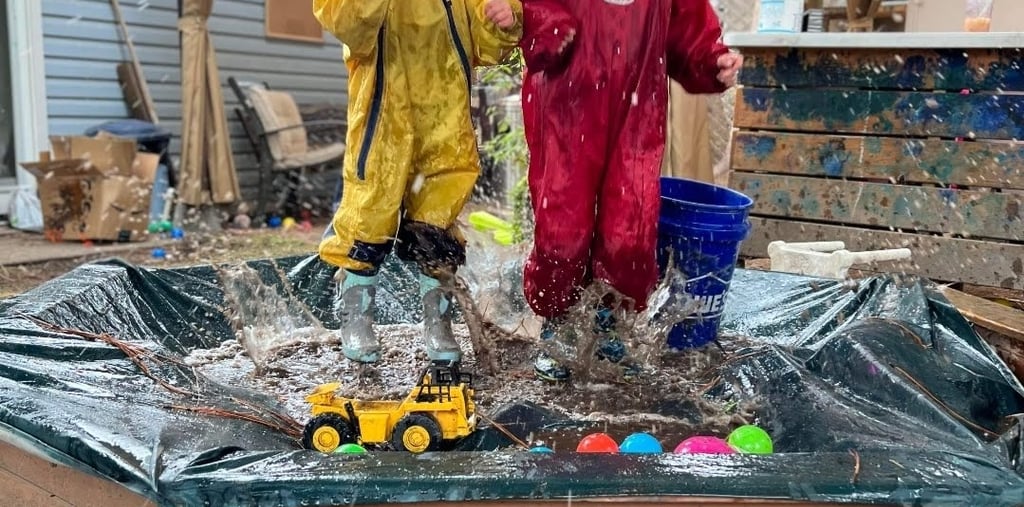
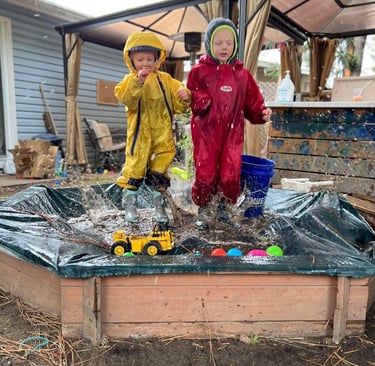
Similar to play, a toy is a powerful tool for the unconscious learning process during childhood. Toys are instrumental in helping children bridge their inner and outer worlds, enabling them to embody human experiences and thrive. The significance of toys is deeply intertwined with play, which is vital for child development. We must recognize a toy not just as a mere object of pleasure or distraction. A toy operates at its best when it fuels and ignites the imagination. When the toy features less detail, a child's imagination is compelled to work harder, fostering deeper engagement. Toys that fail to inspire imagination quickly lose their value. Less effort translates to less investment; we are committed to nurturing creativity and perseverance in our children.
There is good reason to argue that toys are increasingly weaponized against childhood, exposing children to profit-driven agendas. We exist in a world often dominated by efficiency and overwhelming consumerism, where the manufactured toys fail to meet the needs of children while the toys undermine play and distract attention spans, prioritizing consumerism over creativity. The quality of toys is often compromised, with numerous products containing harmful substances, endangering both children and the environment. An abundance of toys often results in increased non-biodegradable waste, jeopardizing future generations. Children are often overwhelmed with excessive toys, leading to personal "junk" stress as well as a toxic accumulation in their environment.
A healthier approach involves seeking creative alternatives as well as pre-loved items to promote sustainability, imparting valuable lessons to our children. While it might be challenging to choose this path, as it may not align with popular opinions among family and friends, it is essential for prioritizing our children's development and safeguarding our planet. Consider quality over quantity when selecting toys. Reduced clutter will translate to more meaningful play, enriching a child's imagination rather than overwhelming them. Simplicity nourishes children’s imagination, fortifying their ability to practice their observations and cultivate more intimate connections. Consider that imagination requires activation through effort. Toys ought to stimulate inner engagement, cultivating emotional investment in play. This investment results in increased focus and creativity in children.
In considering what toys to borrow, buy, keep or discard, it’s imperative to critically assess the purpose of the ty as well as be critical of the toy industry, which often undermines genuine childhood experiences. Let's consider what contributes to healthy development before we make the next purchase.